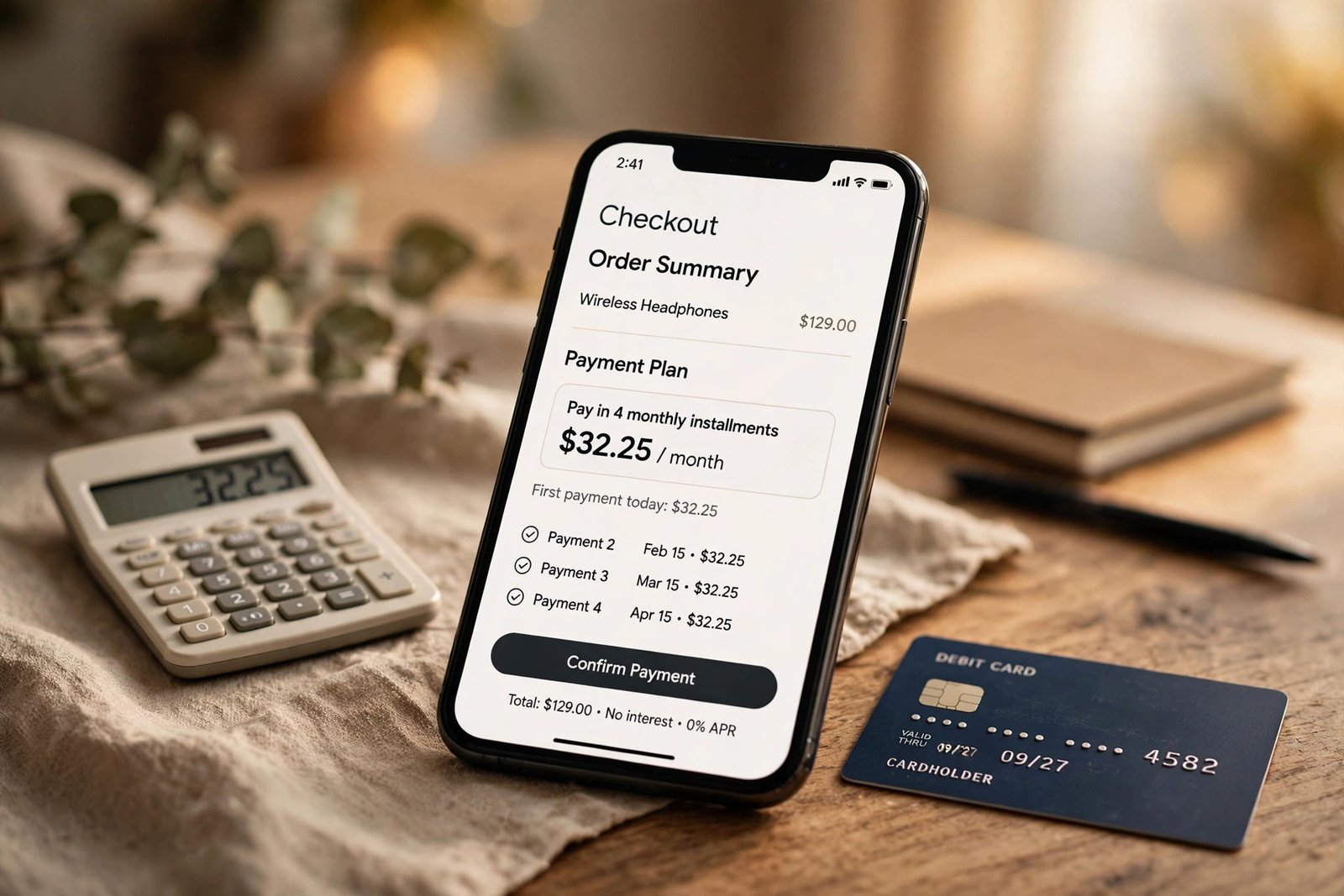
Every big-ticket page this week carries the same tempting line: No-Cost EMI from ₹X per month. It sounds like free money, and during sale season it moves a lot of phones and laptops. No-cost EMI is neither free nor a scam — it is a loan whose interest is paid by someone else, minus a few charges that land on you. Here is exactly how it works, and when paying in full beats it.
How a no-cost EMI actually works: your bank does charge interest on the loan — banks never lend free. The brand or seller then gives you an upfront discount equal to that interest, so the instalments add back up to the product's price. The Reserve Bank of India requires card issuers to show you the principal, the interest and the upfront discount separately, before the conversion and again on your statement. Those three lines are the whole story — read them, and the phrase "no-cost" becomes simple arithmetic.
Key Points
- No-cost EMI means the bank charges interest and the seller returns it as an upfront discount — RBI rules make them show both
- You still pay GST (18%) on the interest, plus any processing fee — roughly ₹440 extra in a ₹30,000, 6-month example
- The biggest hidden cost is the full-payment discount you give up by choosing EMI
- EMI wins when the cash and EMI prices are identical and no full-payment offer exists
- Always compare total outgo across all instalments, never the monthly figure
So where does the cost hide? First, a processing fee: many banks charge one for EMI conversion — a flat fee, or roughly 1–3% — and it is not part of the interest the seller refunds. Second, GST at 18% on the interest. The interest exists on paper even when it is discounted away, and GST is charged on it — that tax is billed to you, not to the seller. Third, and quietest of all, the discount you give up: where a store offers a lower price or an instant bank discount for paying in full, choosing EMI usually means paying the full tagged price instead. The interest you "saved" quietly reappears as a discount you lost.
A worked example — round numbers, for illustration; your bank's exact rate and fee will differ, and the EMI screen shows them before you confirm. Take a ₹30,000 phone on a 6-month no-cost EMI: ₹5,000 a month. The interest on that loan comes to roughly ₹1,150 — returned to you as the upfront discount, so your instalments total ₹30,000. But GST on that interest, at 18%, is about ₹207, and a typical processing fee of ₹199 plus its own GST adds about ₹235. Total outgo: roughly ₹30,440 — about ₹440 more than the price tag. Now suppose the same phone carried a ₹1,500 instant discount for full payment. The real gap between the two routes is no longer ₹440; it is closer to ₹1,940.
Two more costs rarely make the banner. The full purchase amount is blocked against your credit card limit until the loan is repaid, which matters if an emergency lands mid-tenure. And a missed instalment is treated like any other unpaid card due: late fees, and interest on unpaid balances that can run at 36–42% a year. A no-cost EMI is only cheap while every payment is on time.
When EMI genuinely wins: the cash price and the EMI price are identical, there is no full-payment offer on the table, the processing fee is zero or trivial, and spreading the cost protects money you need for essentials. Shorter tenures also cost less — the GST-on-interest slice grows with the tenure, so a 3-month plan leaks less than a 12-month one. And if the realistic alternative was revolving a credit card balance at full card interest, a no-cost EMI beats it comfortably.
When paying in full wins: there is an instant discount, cashback or bank offer reserved for full payment — a common sale-season pattern, with some card offers explicitly marked "not valid on EMI". It also wins whenever you simply have the money: roughly ₹440 of fees and tax on a ₹30,000 phone is a charge of about 1.5% for a loan you did not need.
Before you choose at checkout, answer three questions. What is the full-payment price today — not the MRP, the price? What is my total outgo across every instalment, including fees and GST — the EMI screen must show it? And would I buy this today if I had to pay the whole amount in cash? If the third answer is no, the EMI is not making the product affordable; it is only hiding that it is not. For the other half of sale-season savings, read how coupon stacking combines codes, bank offers and cashback.